
"Latin American blend"
300 article(s) found

A few "what is" in boutique coffee?
What is caffeine? Caffeine is a substance found in the leaves, roots and fruits of 100 plants in nature. it is also a mixture of methylxanthine. Caffeine usually comes from coffee, dimethoate and tea. Caffeine is also used in energy drinks and drugs to treat colds and flu. Coffee and tea also contain other dimethylxanthine theophylline. Tea

Which varieties of boutique coffee beans are produced all over the world, do you know?
Professional coffee knowledge exchange more coffee bean information please follow the coffee workshop (Wechat official account cafe_style) front street-boutique coffee producing area, variety profile coffee trees are planted in the equatorial belt of the Tropic of Cancer and Tropic of Cancer, called the coffee belt. There are 62 coffee-growing countries in the world, and there are three major coffee-growing areas, each of which has its own unique landscape.

Five ways for beginners to drink Espresso espresso! Would it be better to make American coffee?
Professional coffee knowledge exchange more coffee bean information please follow the coffee workshop (Wechat official account cafe_style) challenge heavyweight fancy coffee ESPRESSO finished tasting the handsome cappuccino, and then we are going to enter the highlight of fancy coffee (how come this dubbing again?

How to drink Mexican hand-made coffee? What is the best coffee in Mexico? Mexican coffee
Professional coffee knowledge exchange more coffee bean information please follow the coffee workshop (Wechat official account cafe_style) Central and South America is the best producer of coffee, coffee is known for its mild, bright, elegant sour taste, almost all mixed coffee recipes can not do without Latin American coffee beans. Countries of origin in the region include Jamaica, Brazil, Colombia, Guatemala and Mexico.

Introduction to the description of Flavor of Hawaiian Coffee Bean by Variety treatment
The climate is very suitable, the sun in the morning gently passes through the air full of water vapor, in the afternoon, the mountains will become more humid and foggy, and the white clouds surging in the air are natural umbrellas for coffee trees, and the evening will become sunny and cool. Suitable natural conditions make the average yield of Kona coffee very high, reaching 2240 kg per hectare, while in Latin American coffee.
Latin American coffee bean flavor producing countries three major coffee varieties and seven major producing areas in the world
Latin American Coffee the unique tropical rain forest environment in parts of Bolivia provides excellent natural conditions for the growth of organic coffee. The aroma of Bolivian coffee is rich and unique, both after the bean is ground and the aroma of the coffee is quite rich, similar to the mixture of flower and fruit aromas, the perfect nutty flavor is impressive. [Bolivir]

Venezuelan coffee with a rich, fruity flavor
The Caracas perimeters, also known for coffee, have resumed production. The Jean and Andres Boulton plantations in Turgua are also home to tipika coffee trees. Characteristics of Venezuelan coffee: Venezuelan coffee tastes different from other Latin American coffees. It is delicious and lighter than traditional coffee.

Characteristics of Colombian Coffee in Colombian Coffee producing areas how to drink Colombian Coffee
For more information on coffee beans, please follow the Coffee Workshop (official Wechat account cafe_style) Columbia Coffee Review tends to think of it as medium-bodied, rich in taste and citrus-like acidity. Colombia's best high-growth coffee is typically Latin American with a mild fruity flavor, though not the almost fermented fruity flavor. The country grows a large number of farmers

What is the difference between Italian coffee and Blue Mountain coffee beans compared to Blue Mountain coffee and Italian coffee?
Professional coffee knowledge exchange More coffee bean information Please pay attention to coffee workshop (Weixin Official Accounts cafe_style) The Blue Mountains are located in the east of Jamaica Island, because the mountains are surrounded by the Caribbean Sea. On clear days, the sun shines directly on the blue sea, and the peaks are reflected.

Representative of American coffee beans: characteristics of coffee from Brazil, Colombia, Costa Rica and Panama
Exchange of professional baristas Please pay attention to Coffee Workshop (Wechat official account cafe_style) Coffee is a rich and interesting world. Coffee from different continents has some common characteristics. Coffee is the product of 15 degrees latitude from the equator to the north, so it is produced in South America, Asia and Africa. However, the coffee produced from the equator to 15 degrees north latitude is too strong and bitter, so there is only some to drink.

What kind of coffee is Ethiopia? introduction to the origin and variety of coffee beans.
Professional coffee knowledge exchange more coffee bean information please follow the coffee workshop (Wechat official account cafe_style) front street-Ethiopian coffee beans, coffee varieties and producing areas brief introduction to most Ethiopian varieties will be named after this name, small farmers from various forests and their own back garden picked various varieties of coffee and sent to the cooperative for centralized processing, varieties can be said to be

Starbucks hand coffee there are several Starbucks coffee how much is the price of Starbucks coffee
Professional coffee knowledge exchange more coffee bean information please follow the coffee workshop (Wechat official account cafe_style) Starbucks hand coffee Starbucks hand coffee is a simple aesthetic and easy to brew in a single cup, its flavor is clean, fully saturated to show. Step-by-step heating apparatus uses a small amount of hot water to warm the filter cup and the glass pot, and set the

Introduction to the unique and strong flavor and taste of coffee from Chateau Saint Roman, Costa Rica
High-quality Costa Rican coffee is called extra hard beans, and this kind of coffee can grow at an altitude of more than 1500 meters. Altitude has always been a problem for coffee growers. The higher the altitude, the better the coffee beans, not only because the higher altitude can increase the acidity of the coffee beans and thus increase the flavor, but also because the night temperature at the higher altitude is lower, which can make the trees grow slowly.
What does blonde mean? Why Starbucks Gold Roast Espresso?
Professional coffee knowledge exchange More coffee bean information Please pay attention to coffee workshop (Weixin Official Accounts cafe_style) Starbucks new basic espresso coffee-Blonde Espresso What flavor? The crowd comments are bright! For years, people have complained about Starbucks coffee: its flavor burned out. Now Starbucks has added a new flavor for those who think its original blend is too strong.

History of the Origin and Development of Brazilian Coffee the Future trend of Flavor and Taste in Brazilian Coffee Bean producing areas
The origin of Brazilian coffee several historians agree that the arrival of coffee from the Old World to Martinique and the Antilles originated in 1714 when Mathieu de Clieu, the captain of the French army, got it from the first branch seeds brought by small American plantations. The story tells us that the captain is keeping a coffee branch stolen from Louis XIV Garden.

Introduction to the origin of coffee in Colombia | Colombia-the third coffee producer in the world
Colombian coffee reviews tend to think that it is moderately mellow, rich in taste and citrus-like acidity. The best coffee in Colombia is typical of the mild fruit flavor of Latin America, though not the almost fermented fruit flavor. The country grows a lot of coffee (Colombia grew nearly 10% of the world's coffee in 2015), which means these high-quality Arabica coffee beans

Introduction to the grinding scale of the quality and taste characteristics of Brazil Huangbo single coffee bean price treatment method
Brazil Huang bourbon single product coffee bean price treatment quality characteristics grinding scale Brazil is located in Latin America in the Western Hemisphere, located in the eastern part of South America and the west coast of the Atlantic Ocean, bordering all countries on the South American continent except Ecuador and Chile; the vast majority of the territory lies between the equator and the Tropic of Cancer, making it the most tropical country in the world. The territory 1x3 belongs to the tropics.
How to choose coffee making utensils for different coffee beans
Many friends often ask questions such as which coffee beans are better to use, or what kind of coffee beans can be chosen. The root of these seemingly tedious problems lies in the two core relationships that need to be clarified.
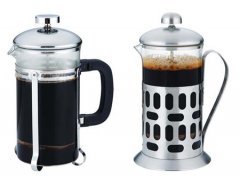
How to choose coffee beans and utensils?
Coffee machines (utensils) serve coffee beans; coffee beans serve human taste, and the order of this relationship is irreversible. First of all, we need to know clearly what kind of coffee we like, and find suitable coffee beans and utensils according to this location. For example, if you don't like strong coffee, the espresso made by mocha pot, semi-automatic and fully automatic is not suitable for you.
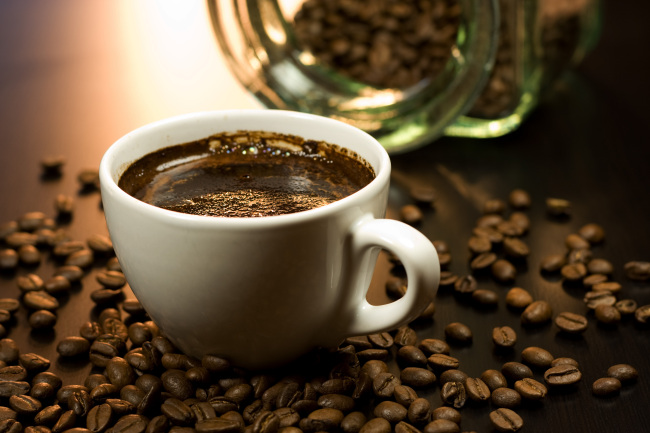
Introduction of high-quality coffee with bitter taste in Bolivian coffee manor
Bolivia was rescued from independence by Bolivar, a national hero from Caracas, Venezuela, during the War of Independence in Latin America in the 18th century, so the country was named after him. August 6, 1825 declared independence from Spain, named the Bolivarian Republic, and then changed to the present name Bolivia and Paraguay broke out in 1932 for oil resources in the North Chaco region.